Webb family · A life profile
Richard Edwin Webb
1924–2007
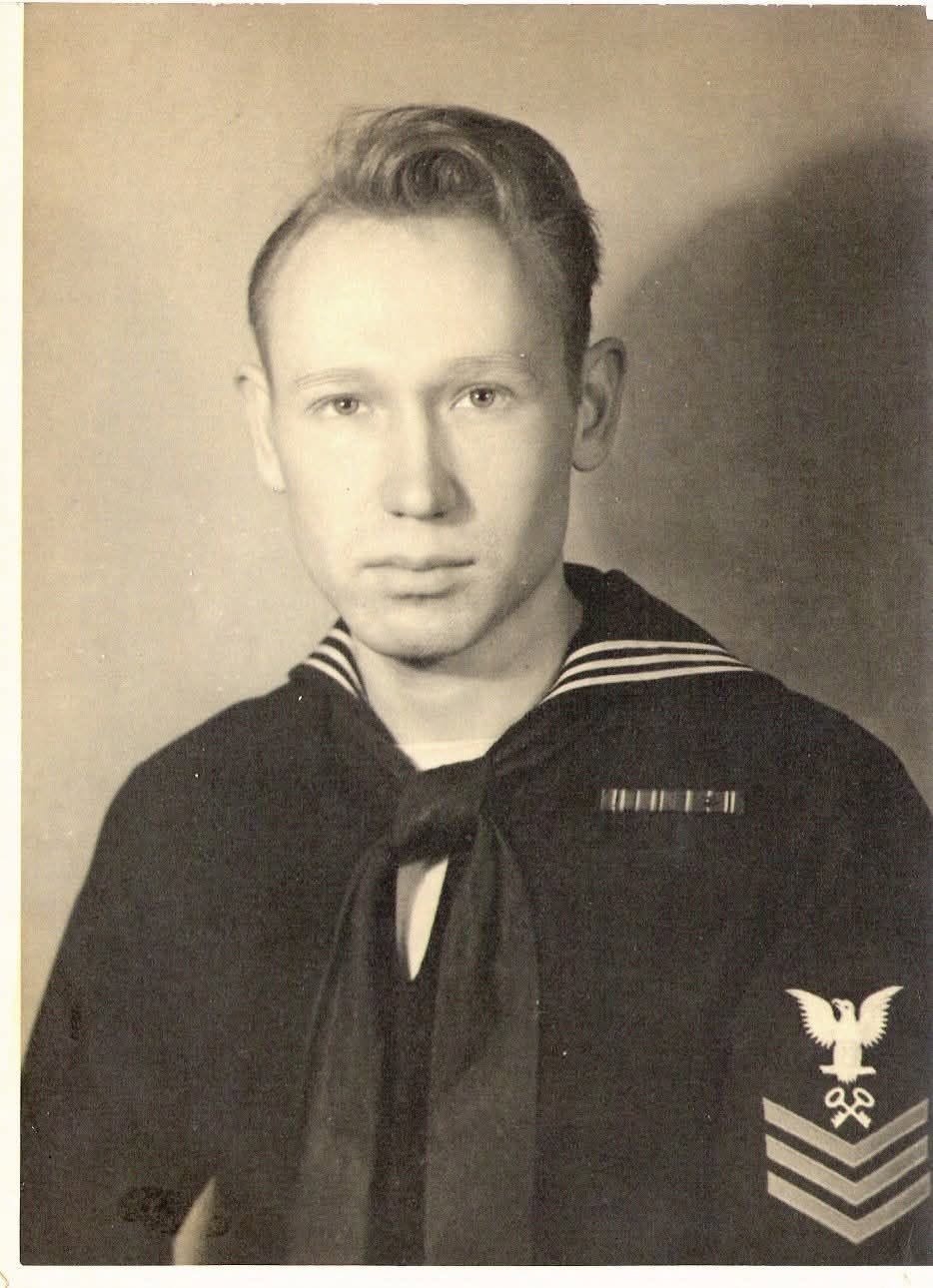
Richard, also known as Dick, grew up in a Paw Paw farming family, served in the Navy in World War II and the Army in Korea, and built a pharmacy business in Florida. His own accounts tell what he saw in wartime; the family’s eulogies remember the pharmacist, father, and man who loved a day on the lake.
From Paw Paw to Rushland
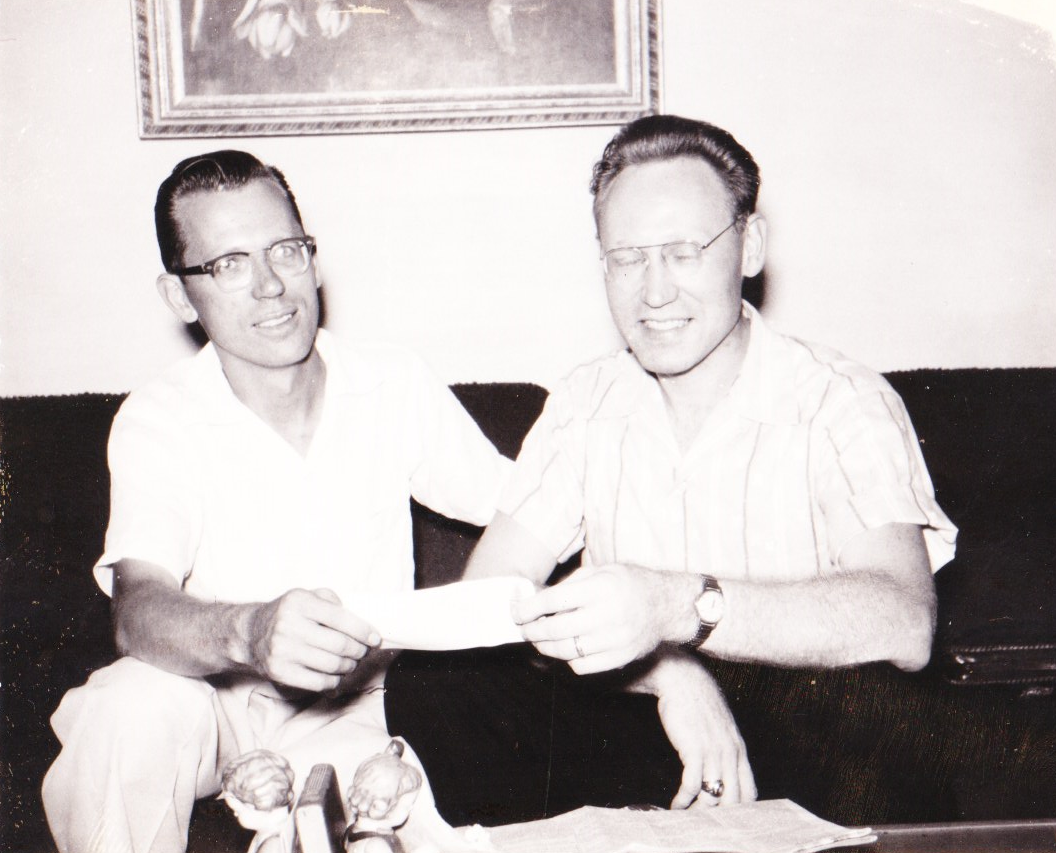
Richard Edwin Webb was born November 17, 1924, in Paw Paw, Michigan, the third child of Edwin Francis Webb and Alice Eva Virginia Wigginton. In the Webb family photograph, Richard stands at left, with Betty at right, Clarence in front, and Chuck just behind Clarence. The date of the photograph is approximate; the identifications come from the family. [5] [6] [8]
By the time he registered for the draft at 18, Richard was a high-school student living in Rushland, Buckingham Township, Bucks County, Pennsylvania. He signed the card himself, gave his birthplace as Paw Paw, Michigan, and named Edwin F. Webb as the person who would know his address. [11]
World War II: from the landing craft to the operating room
The Muskegon plaque lists Richard’s Navy service as 1943–1946 and identifies him as a Storekeeper First Class (Technical). It says he transferred from LST-269 to LST-293 before the former went to the Pacific. The Navy’s histories confirm that LST-269 served in the Pacific and LST-293 took part in the Normandy invasion in June 1944. The plaque lists the European-African-Middle Eastern Campaign Medal with one bronze star, the American Campaign Medal, the World War II Victory Medal, and the Good Conduct Medal. The muster records below independently place Richard aboard LST-293. The earlier LST-269 assignment and his individual medals are reported by the plaque and have not been verified in the records reviewed. [1] [2] [3]
In his D-Day account, Richard remembered helping bring wounded men back from the beach. An operating room had been improvised on the tank deck, and he helped carry casualties to the surgical team. When they reached Southampton, ambulances were waiting. The ship then loaded for another trip. These details are Richard’s later recollections, not a reconstructed deck log. [7]
Pharmacy school and a return to service
After the Navy, Richard attended the University of Michigan College of Pharmacy. His family remembered that he earned his degree in 1949 while working full-time and helping support his mother. He joined the Army Reserve while in school and was called up in 1950, serving with the 121st Evacuation Hospital in Korea. [6] [8] [9]
Richard wrote that his job was to keep the medics at the front supplied. Sometimes he went out with supplies by helicopter and helped bring wounded men back. In one account, he remembered helping evacuate a badly wounded soldier found in a rice paddy and not knowing what became of him. His recollections describe the work of getting someone to care and the uncertainty that followed. [7]
A pharmacist and business owner in Florida
After Korea, Richard moved to Florida with his mother. In 1953 he opened Northside Pharmacy, the first store in what the family remembers as Webb’s Fabulous Pharmacies, a chain that grew to more than twenty stores in Florida. He married Carolyn Louise Johnson in May 1955. Family members helped with gift-wrapping, inventory, and the cash register. They also remembered his playful sales promotions, which could put pet rocks on the counter alongside the usual drugstore fare. [6] [8]
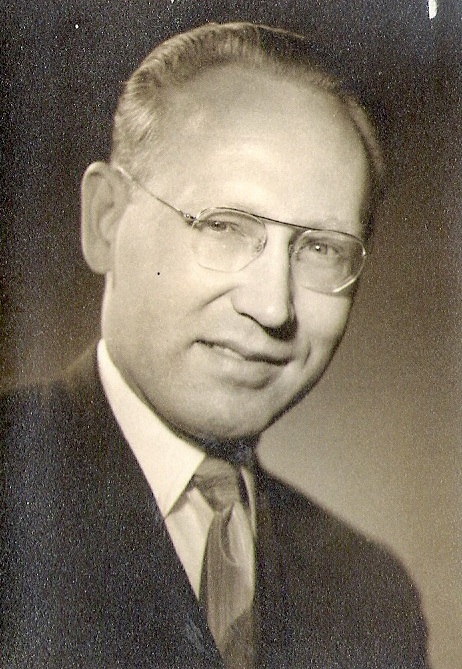
Richard sold the chain in the mid-1970s, continued with one store, and later worked for Walgreens. Richard continued working until he retired in the late 1990s. [6]
The Ripples, an earlier Winter Park home
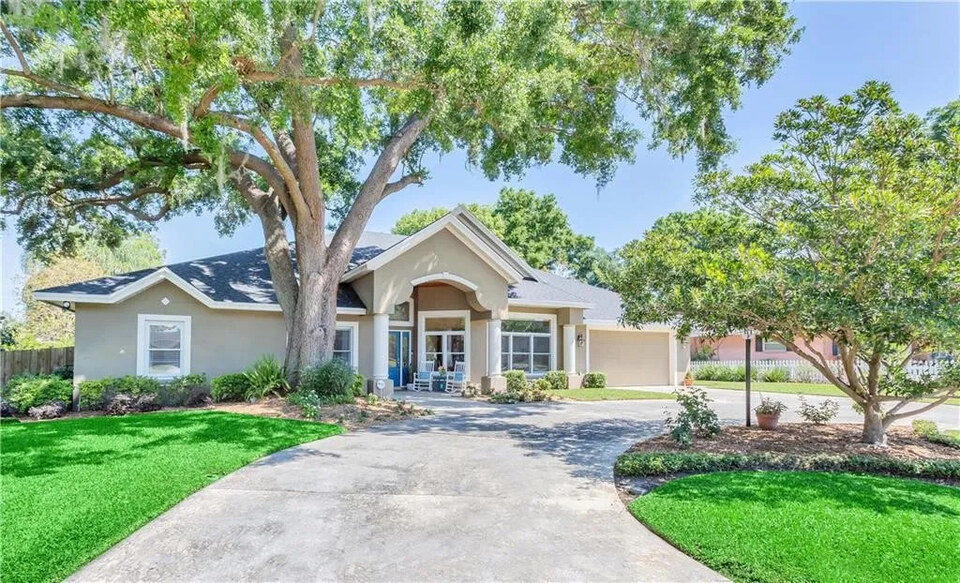
Dick and Carolyn’s son recalls that the family lived at The Ripples in Winter Park from 1959 to 1960 and rode out Hurricane Donna there in September 1960. The city’s historic register dates the house to 1925. This was a different house from the Idea House of 1975 that Lowell Lotspeich designed. [20]
The Dommerich Estates years
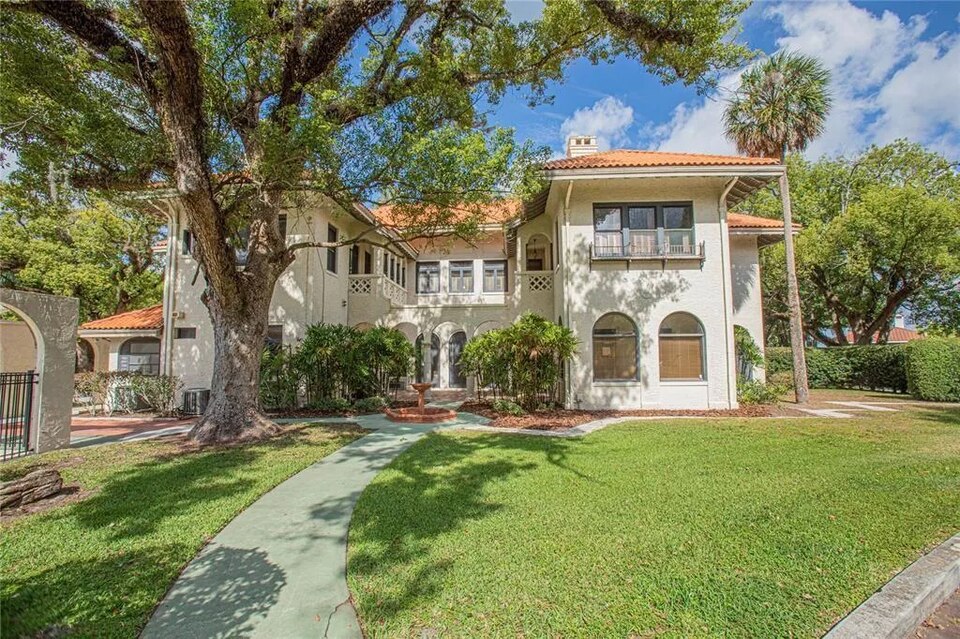
The family next lived in Dommerich Estates from 1961 to 1968, according to their son’s recollection. They moved on to the Idea House in 1968. [21]
Richard and Carolyn at the Winter Park Sidewalk Art Festival
Richard and Carolyn Louise (Johnson) Webb both helped shape the festival in its early years. In 1964 they co-chaired decorations and helped build kiosks designed by Lowell Lotspeich. Festival historian Elizabeth Bradley Bentley also remembers Carolyn participating with the Maitland Association of Fine Arts. The 1964 awards list includes an honorable mention for “Carolyne Webb,” apparently a spelling variant. [15]
Richard, called Dick in Bentley’s account, was general show chairman in 1965 and became president in 1966. Carolyn is listed as an association member in 1965 and handled reservations in 1966. [15] Contemporary coverage names Richard as committee president and reports that more than 1,000 invitations went out for the March 11–13 festival. By opening week, all 400 exhibitor spaces had been filled. [23] [24]
Webb Art Gallery
See the Webb Family Art Collection for photographs and acquisition notes on works Carolyn and Richard collected in the 1960s.
Richard and Carolyn ran Webb Art Gallery at 106 East Canton Avenue in Winter Park. Contemporary notices shortened the name to Webb Gallery. During the month of the 1966 festival, the gallery advertised new paintings, constructions, and drawings by Doris Leeper (1929–2000). A 1967 newspaper profile also recalled a solo exhibition there by painter Robert Singleton. [25] [26] [28] [30]
The Webbs closed the Winter Park location on March 31, 1966. In April, they announced plans to open the Webb Gallery of Central Florida in Altamonte Springs in the second week of May. Carolyn described a larger space for exhibiting modern art and making it: three exhibition rooms, a studio, public seminars, and special attention to children and teenagers interested in art. The April notices document the plans, not the actual opening date. [26] [27]
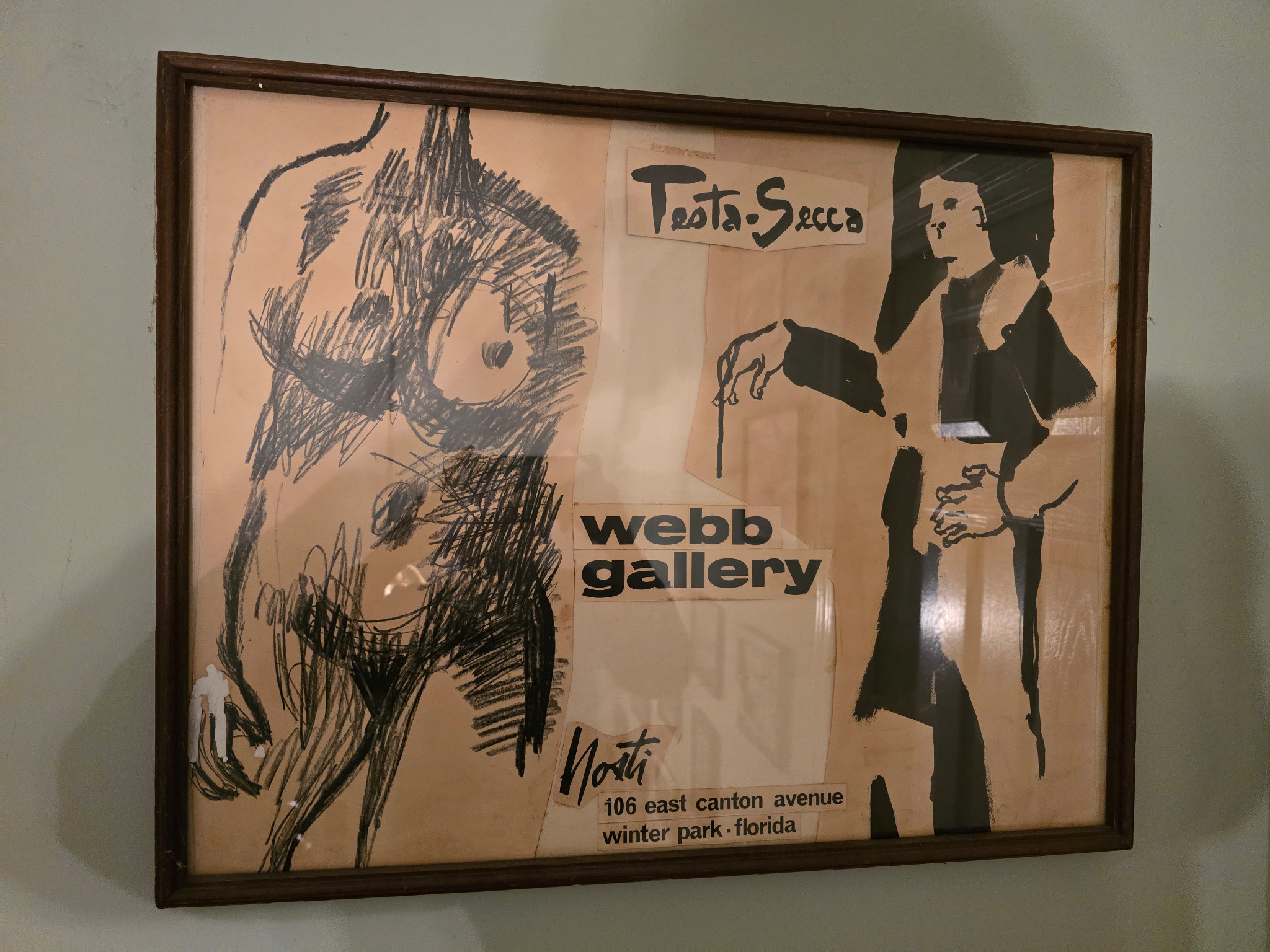
Harold Nosti (1928–2004) and Joe Testa-Secca (1928–2023) both taught at the Tampa Art Institute. Testa-Secca took top prize at the 1959 Florida State Fair for Toro y Picador. Alfred R. Frankel’s history documents their earlier work in Florida; the identification of the artists on the Webb Gallery piece comes from the family. [18] [29] [31]
See both artists in the University of Tampa’s art faculty and staff photo from around 1977. The university identifies Harold Nosti at top center and Joe Testa-Secca at bottom right. [33]
Lowell Lotspeich and the Idea House of 1975
Lowell Lotspeich (1934–2011), the architect and artist who designed the festival kiosks, was also a friend of Dick and Carolyn. Their son recalls that Dick and Carolyn purchased one of Lotspeich’s designs and that the family lived in the Idea House of 1975 in Knollwood from 1968 to 1971. He remembers the exterior and trim as entirely white. Despite the name, it was already a model home in 1968: the August issue of The Florida Architect credits Lotspeich and shows his Seminole County design as part of the Home Builders Association of Mid-Florida’s Living ’75 showcase. The design also appeared as Idea House of 1975 in the September 1968 issue of Architectural Digest. [19] [32]
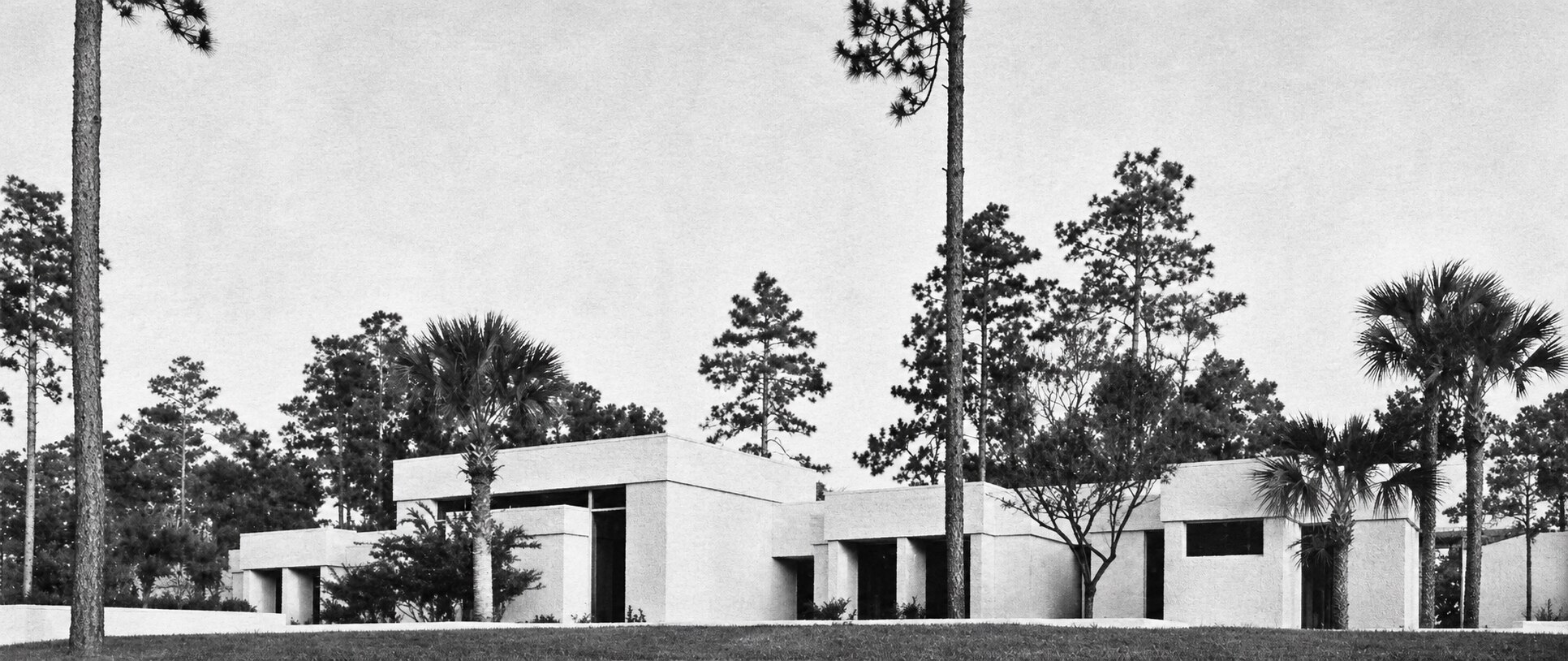
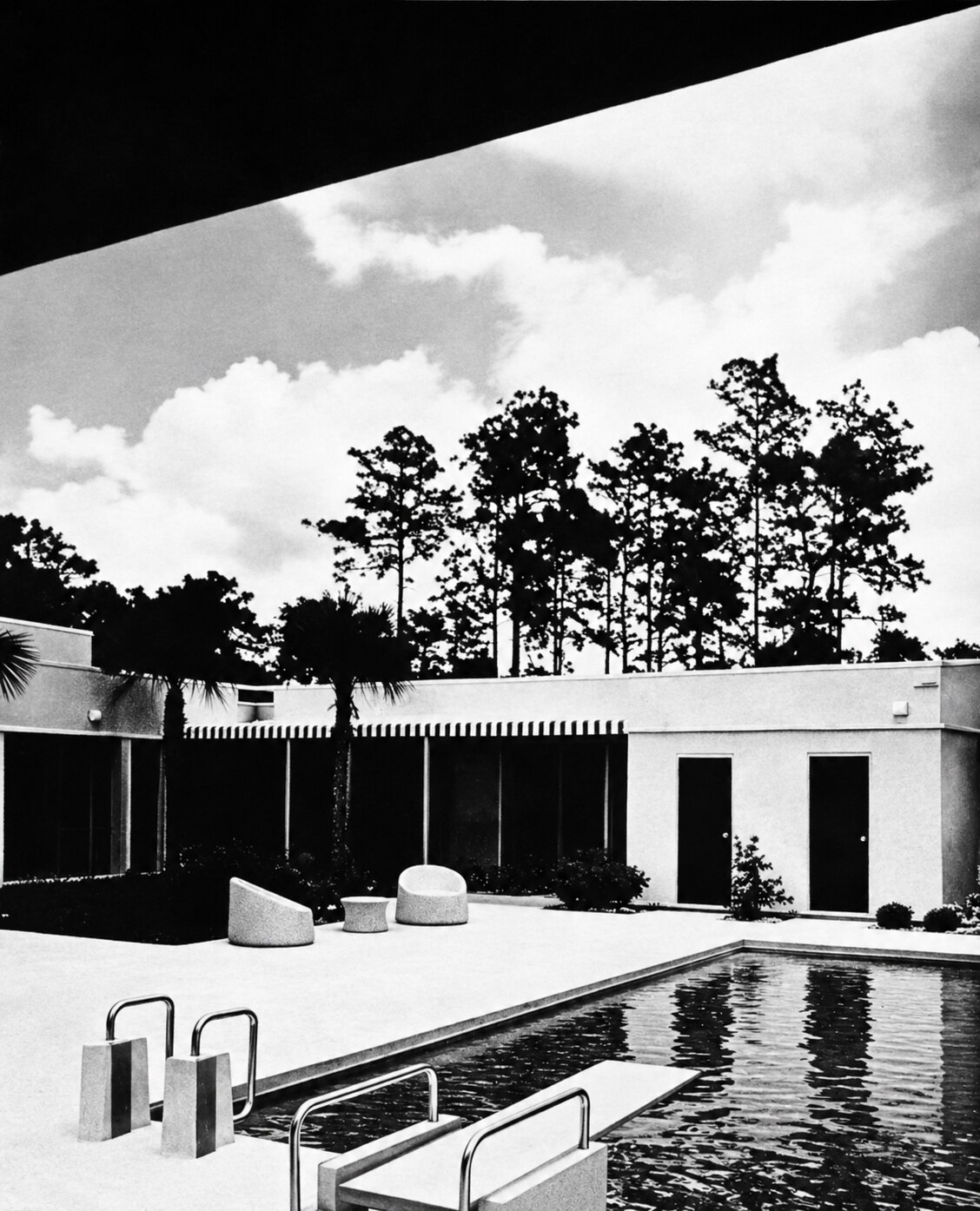
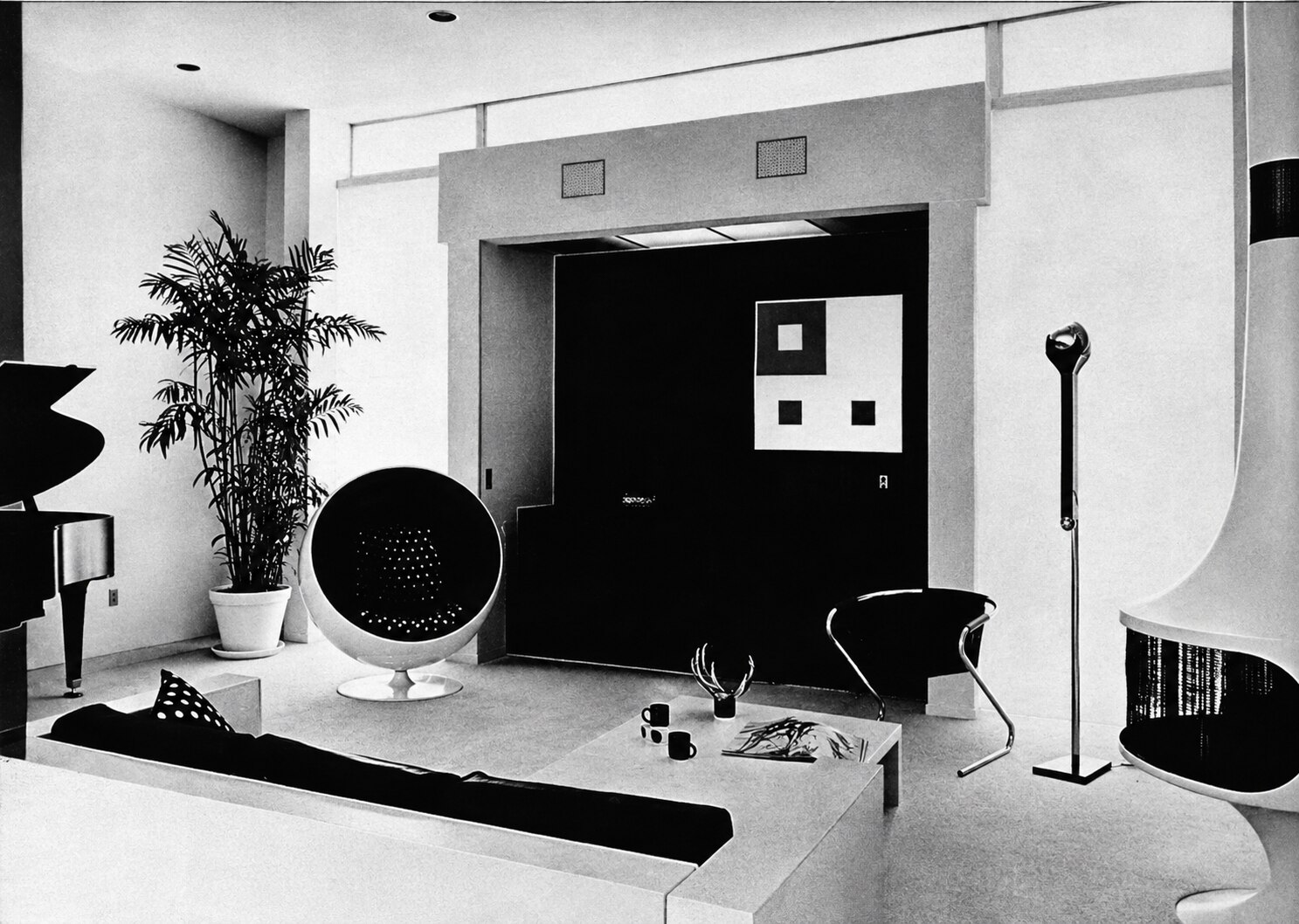
Photographs from The Florida Architect, August 1968. These viewing copies were cleaned up with AI to reduce print dots and scan specks; consult the original scans for exact details. [19]
View the original annotated floor plan (The Florida Architect, p. 6). The magazine’s callouts show how the room modules fit together and relate to the pool courtyard. [19]
From Mesilla to Lake Lanier
In the mid-1980s, Richard and Carolyn moved to Mesilla, New Mexico, and lived there for about four years. They returned to Florida and settled in Inverness, where they lived until Carolyn’s death in 1992. Richard then moved to Lake Mary, Florida, and shared a condo with one of his sons until his son died in 1999. Richard eventually moved to Georgia to live with family and remained there until his death in 2007. [22]
In Georgia, Richard took classes, read history, and enjoyed taking his pontoon boat out on Lake Lanier. The family remembered evenings on the water with B.B. King on the stereo and Sunday dinners followed by dominoes. His obituary records his membership in the Georgia Society, Sons of the American Revolution. [6] [8]
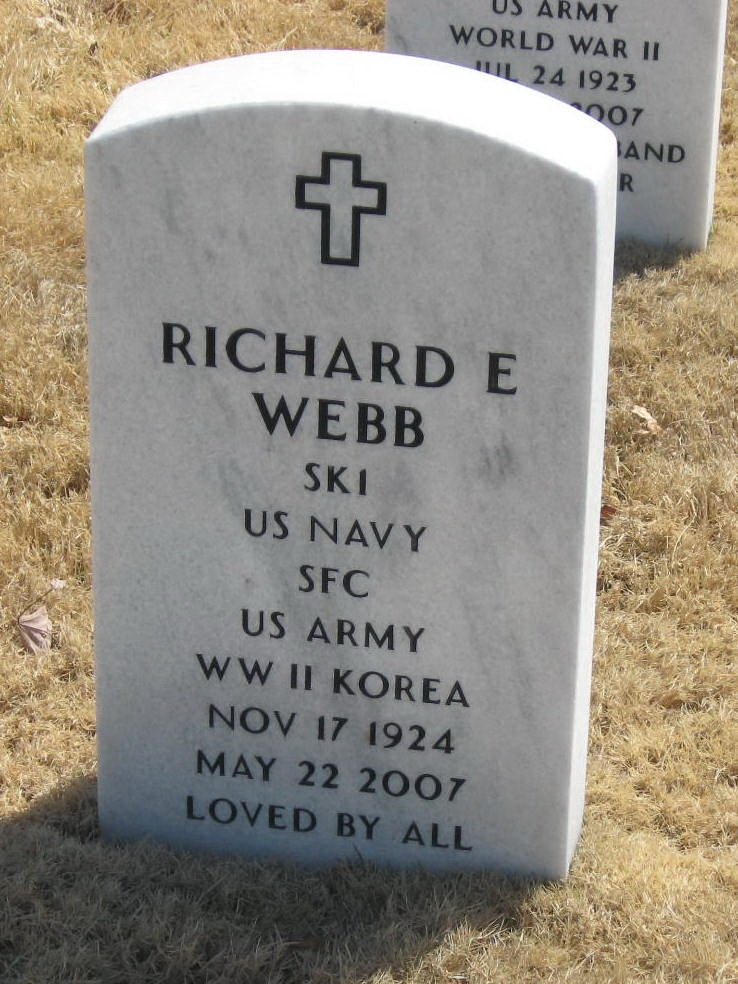
Richard died on May 22, 2007, at age 82. His family’s memorial folder gives his birth date as November 17, 1924, and records a May 24, 2007 service in Buford, Georgia. The folder includes Psalm 23 and names Georgia National Cemetery in Canton as the place of interment. [10]
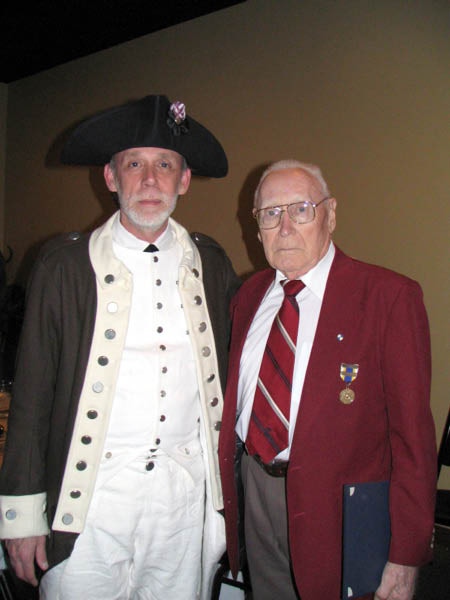
Headstone at Georgia National Cemetery
The marker records Richard’s service in both branches: SK1 (Storekeeper First Class), U.S. Navy, and SFC (Sergeant First Class), U.S. Army. It names World War II and Korea and closes with “Loved by all.” [14]
The museum ship in Muskegon
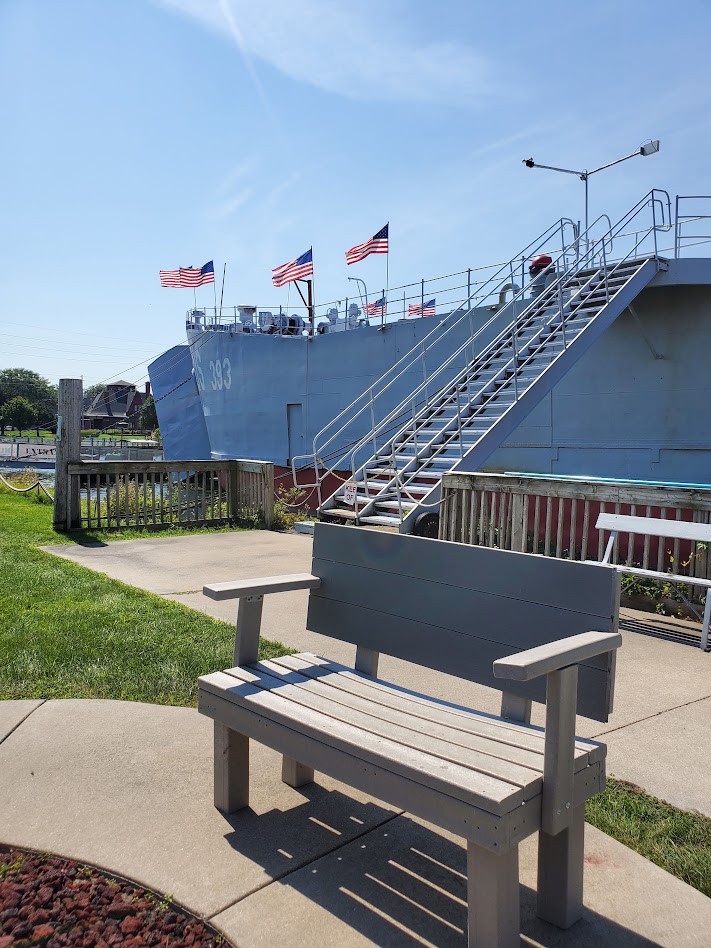
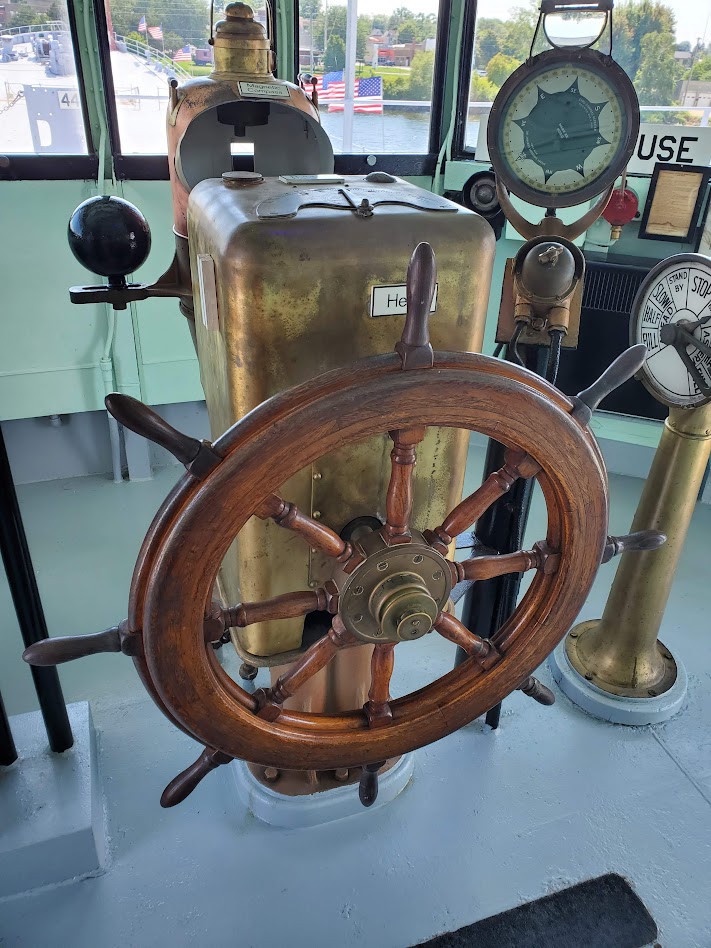
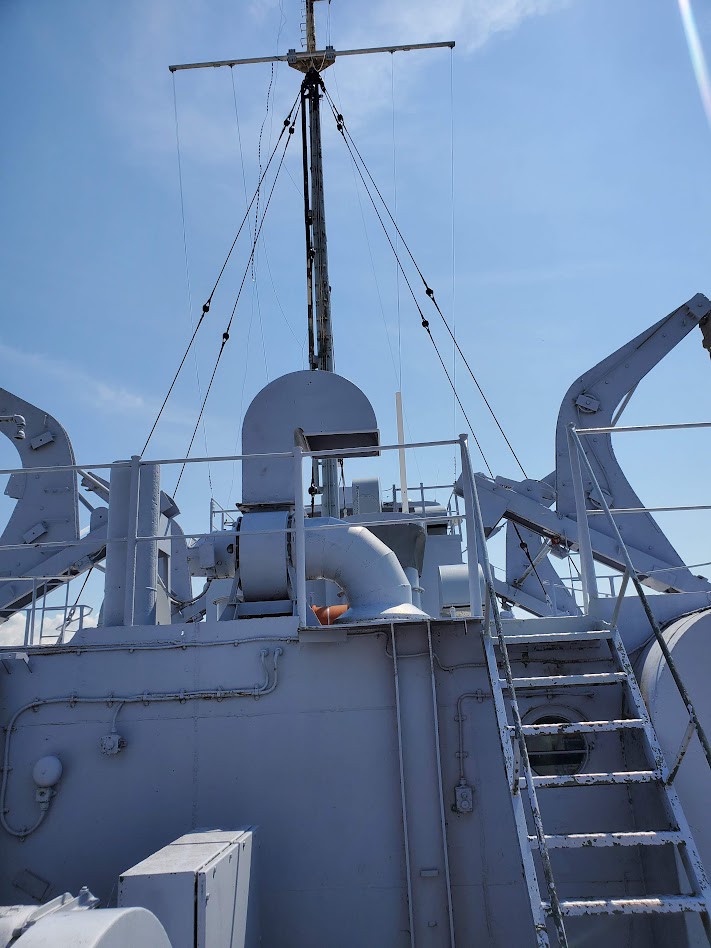
USS LST 393 also took part in the Normandy invasion. It is the ship that displays Richard’s plaque today, not one of the two ships listed on it. The photographs below show the museum ship on a family visit, not wartime scenes aboard Richard’s ships. [4] Read Richard’s museum plaque.
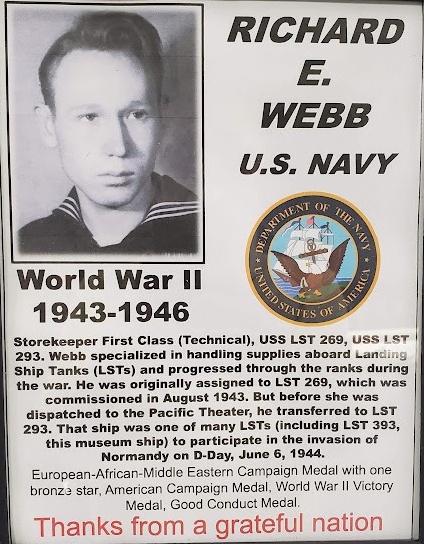
Richard’s son donated his father’s World War II photographs and memorabilia to the USS LST 393 Veterans Museum in Muskegon. [16]
Sources
- Richard E. Webb memorial plaque, USS LST 393 Veterans Museum, Muskegon, Michigan. Plaque and museum-visit photographs supplied by the family.
- Naval History and Heritage Command, Dictionary of American Naval Fighting Ships: LST-269.
- Naval History and Heritage Command, Dictionary of American Naval Fighting Ships: LST-293.
- USS LST 393 Veterans Museum, official site.
- Edwin and Alice Webb family photograph and the family’s identification of the people pictured.
- Family eulogies for Richard Edwin Webb, May 2007; supplied by the family. Used for his education and working life, Florida pharmacy business, and later years in Georgia.
- Richard Edwin Webb, family-held wartime recollections: WWII: D-Day, WWII: The Role of the Ducks, 121st Evacuation Hospital, Korea, and Korea 1951. These are first-person recollections written after the events. The narrative preserves his accounts without adopting every recalled date as established.
- Tapp/Tim Stewart Funeral Home, obituary for Richard E. Webb, May 2007; The Atlanta Journal-Constitution, family-placed death notice; and Gwinnett Daily Post, May 23, 2007. Family-supplied copies; the notices overlap and are not independent confirmation of every detail.
- U.S. Army Medical Department Center of History and Heritage, Korean War photographic collection, which documents the 121st Evacuation Hospital in Korea in October 1950. This source confirms the unit’s presence, not Richard’s individual service.
- Tapp/Tim Stewart Funeral Home and Crematory, In Loving Memory of Richard E. Webb, memorial folder for the May 24, 2007 service, Buford, Georgia. Family-held copy. The accompanying memorial notice repeats his pharmacy and military background; scans are not reproduced here.
- U.S. Selective Service, DSS Form 1, World War II draft registration card for Richard Edwin Webb, Rushland, Buckingham Township, Bucks County, Pennsylvania. Signed front, family-supplied image; registration date not visible on the supplied side.
- U.S. Navy, USS LST-293, Muster Roll of the Crew, commissioning muster, January 17, 1944, entry for Richard Edwin Webb. Family-supplied image. See the National Archives guide to Navy muster rolls.
- U.S. Navy, U.S. Naval Amphibious Base, Little Creek, Virginia, Report of Changes, 1945, two consecutive entries for Richard Edwin Webb. Family-supplied image.
- Family-supplied photographs: undated civilian portrait of Richard Edwin Webb and his headstone at Georgia National Cemetery. The cemetery location is also named in the family memorial folder.
- Elizabeth Bradley Bentley, A Side Walk with the Art Festival (Winter Park Sidewalk Art Festival, 1979), pp. 19, 24, 28, 31, 35, 123, and 144–146. Digitized edition at the University of Central Florida’s RICHES archive.
- Family account of the donation, provided by Richard’s son in November 2026.
- Webb Gallery, framed promotional piece, undated. Family-supplied photograph and recollection of Carolyn’s request and the artists’ names; address transcribed from the piece.
- Alfred R. Frankel, The Artists of Old Florida, 1840–1960, pp. 181, 185, 207. The Tampa chapter discusses both artists’ work at the Tampa Art Institute and the 1959 Florida State Fair.
- The Florida Architect, August 1968, p. 5 and following, contemporary coverage of the Idea House of 1975. “Idea House of 1975,” Architectural Digest, September 1968, p. 44 (archive listing; the full feature requires a subscription). The friendship, purchase of the design, Knollwood location, family occupancy from 1968 to 1971, and original exterior colors are from the couple’s son’s recollections.
- Family recollection for the Webb family’s 1959–1960 residence and experience of Hurricane Donna. The National Weather Service’s Hurricane Donna account dates the storm’s passage through Florida to September 1960. The Winter Park Register of Historic Places identifies The Ripples (entry 01-001) and dates it to 1925. See also the Winter Park Library Archives collection on The Ripples and Orlando Weekly’s May 2021 photographs of the house.
- Family recollection of the Dommerich Estates residence, 1961–1968, and a recent exterior photograph supplied by the family.
- Family recollections from Richard and Carolyn’s son, November 2026, on the Mesilla, Inverness, and Lake Mary residences and Richard’s last move to Georgia. The dates for Mesilla are approximate.
- “Sidewalk Art Festival Activities Announced,” Orlando Evening Star, January 25, 1966, p. 28.
- “Sidewalk Art Festival Opens Friday Morning,” The Orlando Sentinel, March 6, 1966, p. 111.
- Webb Gallery advertisement for Doris Leeper, Orlando Evening Star, March 10, 1966, p. 47.
- “Webbs To Open New Art Gallery,” Orlando Evening Star, April 22, 1966, p. 34.
- “Webb Gallery Opens In Altamonte Springs,” The Orlando Sentinel, April 24, 1966, p. 90. Despite the headline, the article describes the planned opening.
- Robert Singleton profile, The Orlando Sentinel, November 26, 1967, p. 117. The article looks back on a solo exhibition at Webb Gallery in Winter Park without dating it.
- University of South Florida, “Celebrating the life and cultural contributions of artist and educator Joe Testa-Secca”, confirming his life dates.
- Smithsonian American Art Museum, Doris Leeper, confirming her life dates.
- Harold Nosti’s life years supplied by Mark Webb. Richard Nosti’s 2018 obituary records that Harold predeceased him; it does not give the year.
- Lowell Lotspeich’s life years supplied by Mark Webb. A September 1967 Florida Architect profile identifies him as both an architect and an oil painter.
- University of Tampa, Scarfone/Hartley Gallery history, with the captioned art faculty and staff photograph, ca. 1977.